

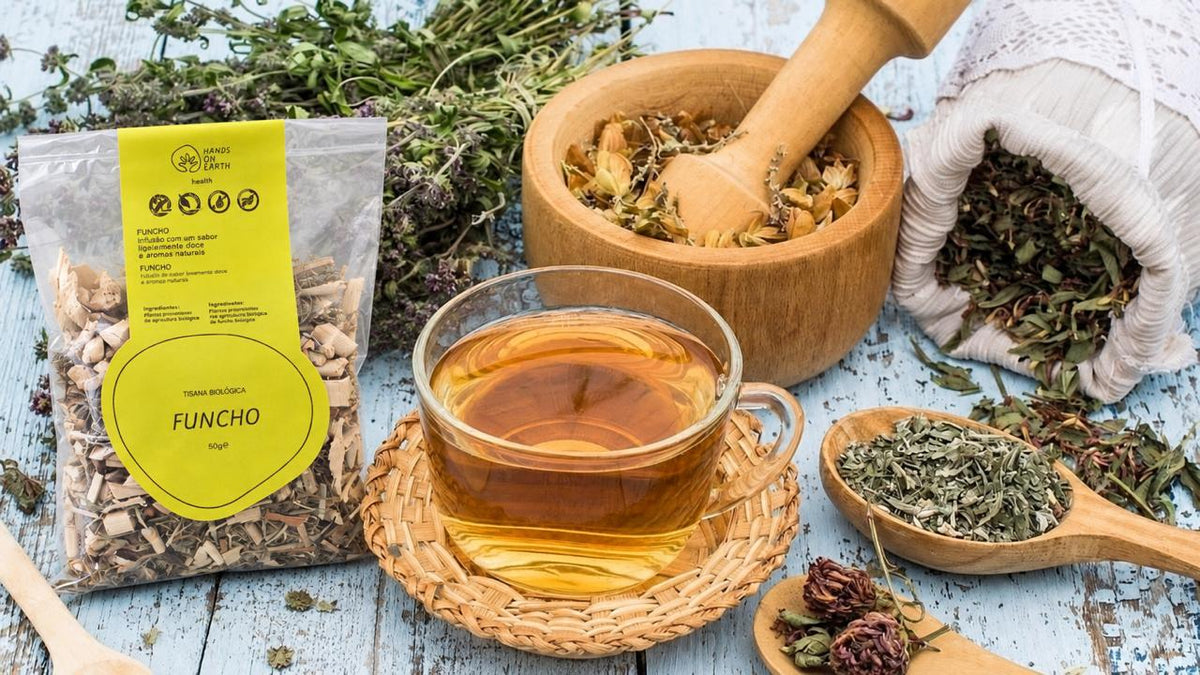
Organic Fennel: How to Prepare an Infusion and Use This Aromatic Plant in the Kitchen
Fennel (Foeniculum vulgare) is an aromatic plant known for its delicate, slightly sweet, anise-like aroma. Used for centuries in Mediterranean tradition, it continues to attract interest both for preparing infusions and for its culinary applications.
In this article, discover the characteristics of organic fennel, how to prepare an infusion, and some interesting facts about the history of this plant.
What is fennel?
Fennel belongs to the Apiaceae family, which also includes carrots, celery, and parsley. Its scientific name is Foeniculum vulgare.
It is known for its characteristic anise-like aroma. The different parts of the plant have distinct uses, with the leaves and stems frequently used as aromatic ingredients and in preparing infusions.
Fennel and tradition: a plant with history
Fennel has a fascinating history, marked by its use in food, popular traditions, and the symbolism attributed to aromatic plants.
In Ancient Greece, fennel was appreciated in food, and its fruits, often called seeds, were traditionally associated with appetite control. In Anglo-Saxon tradition, fennel was one of the nine plants mentioned in the Nine Herbs Charm, an ancient text that gathered plants with symbolic meaning and traditional uses.
During the Middle Ages, fennel was also associated with protection against insects and popular beliefs. These references show how aromatic plants were part of daily life long before the development of modern scientific knowledge.
What are the characteristics of fennel?
Fennel is distinguished above all by its aromatic profile and its traditional uses.
- Anise-like aroma: it has a characteristic, fresh, and slightly sweet fragrance.
- Traditional use: it is known for its applications in food and the preparation of infusions.
- Caffeine-free: a simple fennel infusion contains no caffeine, also known as theine.
It is important to distinguish the traditional use of a plant from the scientific evidence of its health effects. The properties studied in fennel fruits or seeds should not automatically be attributed to infusions prepared with leaves and stems.
How to prepare an organic fennel infusion
Preparing a fennel infusion is simple and allows you to enjoy its delicate aroma.
Ingredients
- 1 to 2 g of dried organic fennel leaves and stems
- 200 to 250 ml of water
Preparation method
- Heat the water until it boils.
- Place the dried fennel in a teacup or a suitable infusion container.
- Pour the hot water over the plant.
- Cover and leave to infuse for 5 to 10 minutes.
- Strain, if necessary, and serve.
You can enjoy this infusion hot or let it cool to drink it cold.
Tip: start with a smaller amount of fennel and adjust the intensity of the aroma to your taste.
How many cups can you prepare with one package?
A 50 g package allows you to prepare approximately 25 cups, considering a dose of 2 g per cup. The final quantity depends on the dose used in each preparation.
How to use fennel in the kitchen
In addition to infusions, fennel is an interesting aromatic plant to try in everyday recipes. The dried leaves and stems can add an aromatic touch to different preparations.
1. In grilled fish dishes
Dried fennel leaves can be used as a seasoning for grilled or roasted fish. Try combining them with olive oil, lemon, and a small amount of fleur de sel.
2. In soups and stews
Fennel stems can be used to aromatize soups, broths, and stews, serving as an aromatic alternative to celery in some recipes.
3. In chicken and other meat dishes
Fennel can be incorporated into marinades and seasonings for roasted chicken or other meats. Combine it with olive oil, garlic, and pepper to create a simple and aromatic mixture.
4. In aromatic herb blends
You can combine fennel with other dried herbs to prepare homemade seasoning blends. Use it in small quantities so that its aroma does not overpower the other ingredients.
Organic fennel: what does it mean to choose an organic plant?
Choosing organic plants may be part of a preference for products from certified organic farming.
At Hands on Earth, we value the careful selection of ingredients and the importance of knowing their origin and the characteristics of each product.
When choosing an organic aromatic plant, check the product identification, the applicable certification, and the storage and use instructions indicated on the packaging.
Dried fennel should be stored in a clean, dry, cool place protected from light, to preserve its aromatic characteristics.
Precautions to take when using fennel
Although fennel is traditionally used in food and the preparation of infusions, this does not mean that all uses or claims about its benefits are proven.
Research on fennel includes different parts of the plant and distinct preparations, so the results are not necessarily applicable to an infusion of dried leaves and stems.
As a precaution, the use of concentrated fennel preparations should be discussed with a healthcare professional during pregnancy or breastfeeding. People with a known allergy to fennel or plants from the same family should also exercise caution.
Infusions do not replace a varied and balanced diet, nor the advice of a healthcare professional.
Discover organic fennel at Hands on Earth
At Hands on Earth, we value the careful selection of ingredients and the small details that make each product special.
Try organic fennel
Discover the Organic Fennel infusion from Hands on Earth, prepared with dried organic fennel leaves and stems. An option for those who appreciate the naturally anise-like aroma of this plant in a hot or cold infusion.
Discover more natural flavors
Explore our collection of Teas and Infusions from Hands on Earth and discover other options to diversify your moments of pause.
Hands on Earth — Hands in the earth and soul in the details.
Discover the pleasure of natural ingredients and be inspired to give a new aroma to your everyday moments.
References
American Herbal Products Association (AHPA), n.d. Herbs in History: Fennel. Available at: https://www.ahpa.org/herbs_in_history_fennel
Rafieian, F., Amani, R., Rezaei, A., Karaça, A.C. and Jafari, S.M., 2024. Exploring fennel (Foeniculum vulgare): Composition, functional properties, potential health benefits, and safety. Critical Reviews in Food Science and Nutrition, 64(20), pp. 6924–6941. https://doi.org/10.1080/10408398.2023.2176817
European Medicines Agency (EMA), Committee on Herbal Medicinal Products (HMPC), 2023. Final assessment report on Foeniculum vulgare Miller subsp. vulgare var. vulgare and Foeniculum vulgare Miller subsp. vulgare var. dulce (Mill.) Batt. & Trab., fructus — Revision 1. EMA/HMPC/240553/2016. Available at: https://www.ema.europa.eu/en/medicines/herbal/foeniculi-amari-fructus
European Medicines Agency (EMA), Committee on Herbal Medicinal Products (HMPC), 2023. European Union herbal monograph on Foeniculum vulgare Miller subsp. vulgare, fructus — Revision 1. EMA/HMPC/372841/2016. Available at: https://www.ema.europa.eu/en/medicines/herbal/foeniculi-amari-fructus
European Medicines Agency (EMA), Committee on Herbal Medicinal Products (HMPC), 2023. European Union herbal monograph on Foeniculum vulgare Miller subsp. vulgare var. dulce (Mill.) Batt. & Trab., fructus — Revision 1. EMA/HMPC/372839/2016. Available at: https://www.ema.europa.eu/pt/medicines/herbal/foeniculi-dulcis-fructus

Leave a comment
This site is protected by hCaptcha and the hCaptcha Privacy Policy and Terms of Service apply.