
Healthy eating is one of the fundamental bases for the normal functioning of the body. A varied and balanced diet provides the body with the energy, vitamins, minerals, and other nutrients needed to maintain health, support bodily functions, and promote overall well-being.
Over the last few decades, people's eating habits have undergone major changes, with increased consumption of processed foods and less frequent home-cooked meals. These changes, associated with more sedentary lifestyles, have contributed to the rise of diet-related health problems.
How have human eating habits evolved?
Throughout history, food has played an essential role not only in providing energy but also in connecting people, cultures, and communities.
In recent decades, there has been a significant shift in dietary patterns, with an increase in the consumption of pre-prepared and processed foods, often chosen for their convenience.
Simultaneously, reduced physical activity and lifestyle changes have contributed to the increased prevalence of chronic diseases, including obesity, type 2 diabetes, and cardiovascular diseases.
What is the importance of diet in health?
Food provides much more than calories. Foods contain nutrients and natural compounds that perform important functions in the body.
An adequate diet contributes to:
- Maintenance of energy and vitality;
- Normal functioning of the immune system;
- Maintenance of muscle mass and tissues;
- Proper functioning of metabolism;
- Maintenance of overall well-being.
A balanced diet should be seen as an essential part of a healthy lifestyle.
What is considered an unhealthy diet?
An unhealthy diet is generally characterized by frequent consumption of:
- Ultra-processed foods;
- Products rich in added sugars;
- Sugary drinks;
- Refined grains;
- Products high in saturated fats;
- Processed meats.
When consumed regularly and in excess, these foods can contribute to nutritional imbalances and increase the risk of health problems.
What is considered a healthy diet?
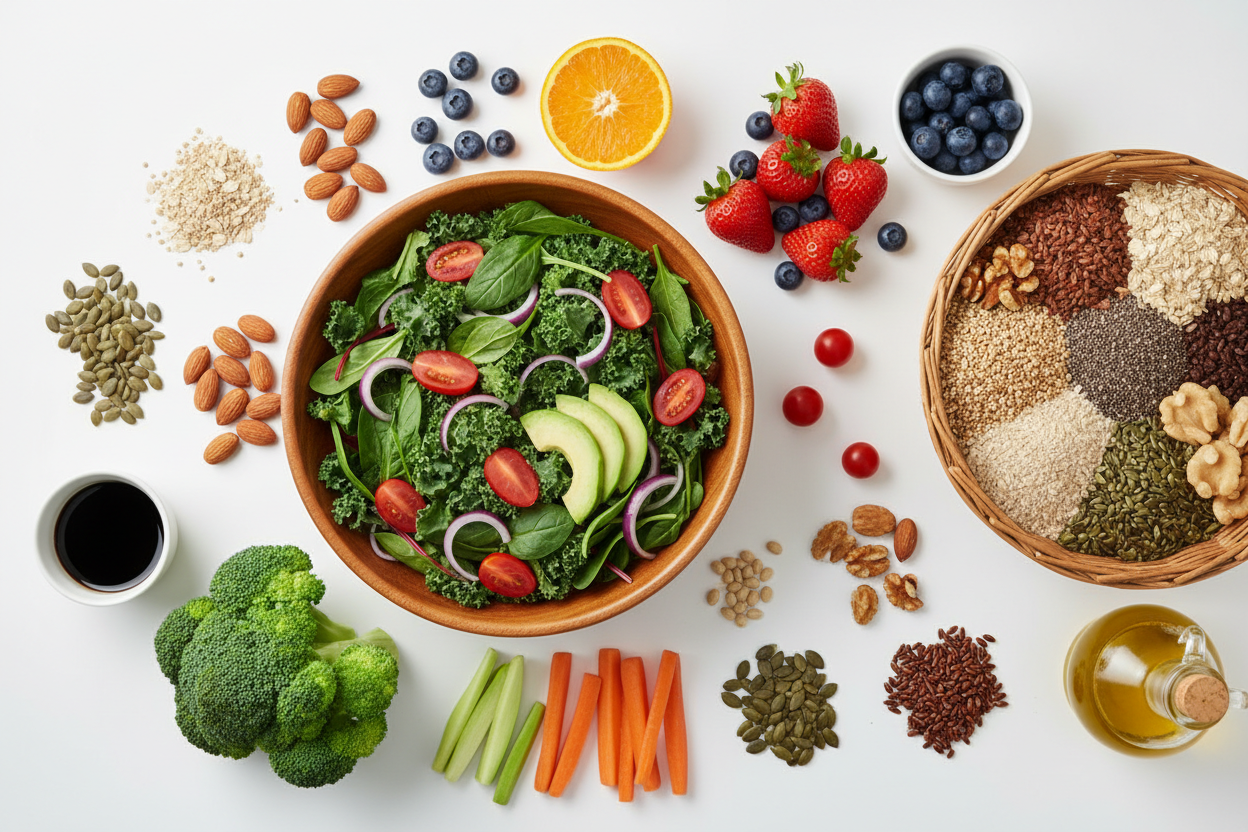
A healthy diet should be varied, balanced, and based on foods of high nutritional quality.
It should include:
- Fruits and vegetables;
- Legumes;
- Whole grains;
- Nuts and seeds;
- Healthy fats, such as olive oil and other unsaturated fats;
- Adequate sources of protein.
Dietary variety allows for the provision of different essential nutrients to the body.
What are the health benefits of a healthy diet?
A balanced diet can contribute to:
- Maintenance of a healthy body weight;
- Normal functioning of metabolism;
- Support for the immune system;
- Maintenance of energy throughout the day;
- Cardiovascular health;
- Normal brain function;
- Maintenance of muscle mass and body tissues.
Adopting healthier eating habits can improve quality of life and contribute to the prevention of nutritional imbalances.
What types of nutrients does the body need?
Nutrients are divided into two main categories:
Macronutrients
These are nutrients needed in larger quantities and provide energy to the body.
They include:
- Proteins;
- Carbohydrates;
- Fats.
Micronutrients
These are needed in small quantities but perform essential functions in the body.
They include:
- Vitamins;
- Minerals;
- Phytonutrients.
Although needed in small amounts, micronutrients participate in many important processes, including enzyme and hormone production and the maintenance of cellular functions.
What can happen when there are micronutrient deficiencies?
A lack of certain micronutrients can affect the normal functioning of the body.
Possible consequences include:
- Reduced energy levels;
- Fatigue;
- Concentration problems;
- Decreased physical and mental performance;
- Increased vulnerability to certain health problems.
A varied and balanced diet is the best way to provide the body with the necessary nutrients. In some specific situations, supplementation may be considered with appropriate advice.
Conclusion
Healthy eating is one of the main tools to support the normal functioning of the body and promote well-being.
The daily choice of varied, nutrient-rich, and minimally processed foods helps provide the body with what it needs to function correctly.
The information presented in this article is for informational purposes only and does not replace professional medical or nutritional advice. Food supplements should not be used as substitutes for a varied and balanced diet and a healthy lifestyle.



Leave a comment
This site is protected by hCaptcha and the hCaptcha Privacy Policy and Terms of Service apply.